
The Gwydir River system is part of Gomeroi Country. Water is the life source of the Gomeroi People and has been for thousands of years, shaping the rivers and floodplains that continue to support food, culture, and learning today.
The Gomeroi Peoples Nation uses the traditional Gamilaaray Language, and this is the language the Gwydir Flow-MER team uses in this story.
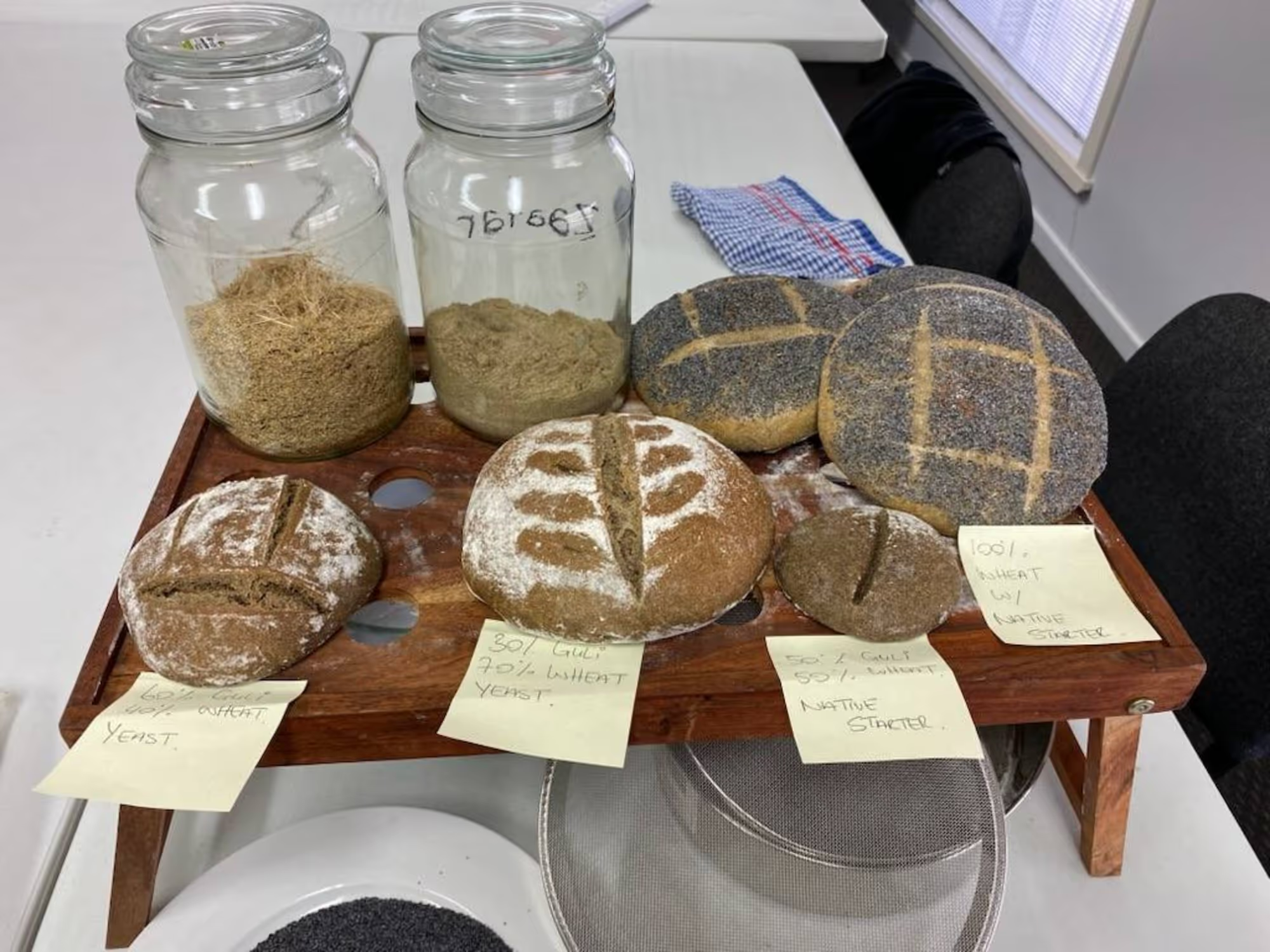
Kerrie Saunders, a Gomeroi woman living in Moree, NSW, is passionate about harvesting native grains and using them to make traditional foods. One of these grains is guli, the native millet. Kerrie’s journey is one of learning, sharing, and practising Aboriginal Winangay (knowledge) gathering native grains across the Gwydir River system. Her story shows one way that environmental water and other flows can support floodplain areas where native grains grow, and how these landscapes continue to provide food, learning, and cultural meaning.
Guli is a native grain that relies on floodplain inundation to produce bountiful harvests. During summer, when guli is ready and abundant, Kerrie regularly visits floodplain areas such as Whittaker’s Lagoon to gather guli and other summer-seeding native grains. She often harvests by hand using traditional methods, walking Country and collecting small amounts over time. These visits are about more than gathering food; they are about reconnecting with place, observing where water has flowed, and understanding how the land responds after flooding.
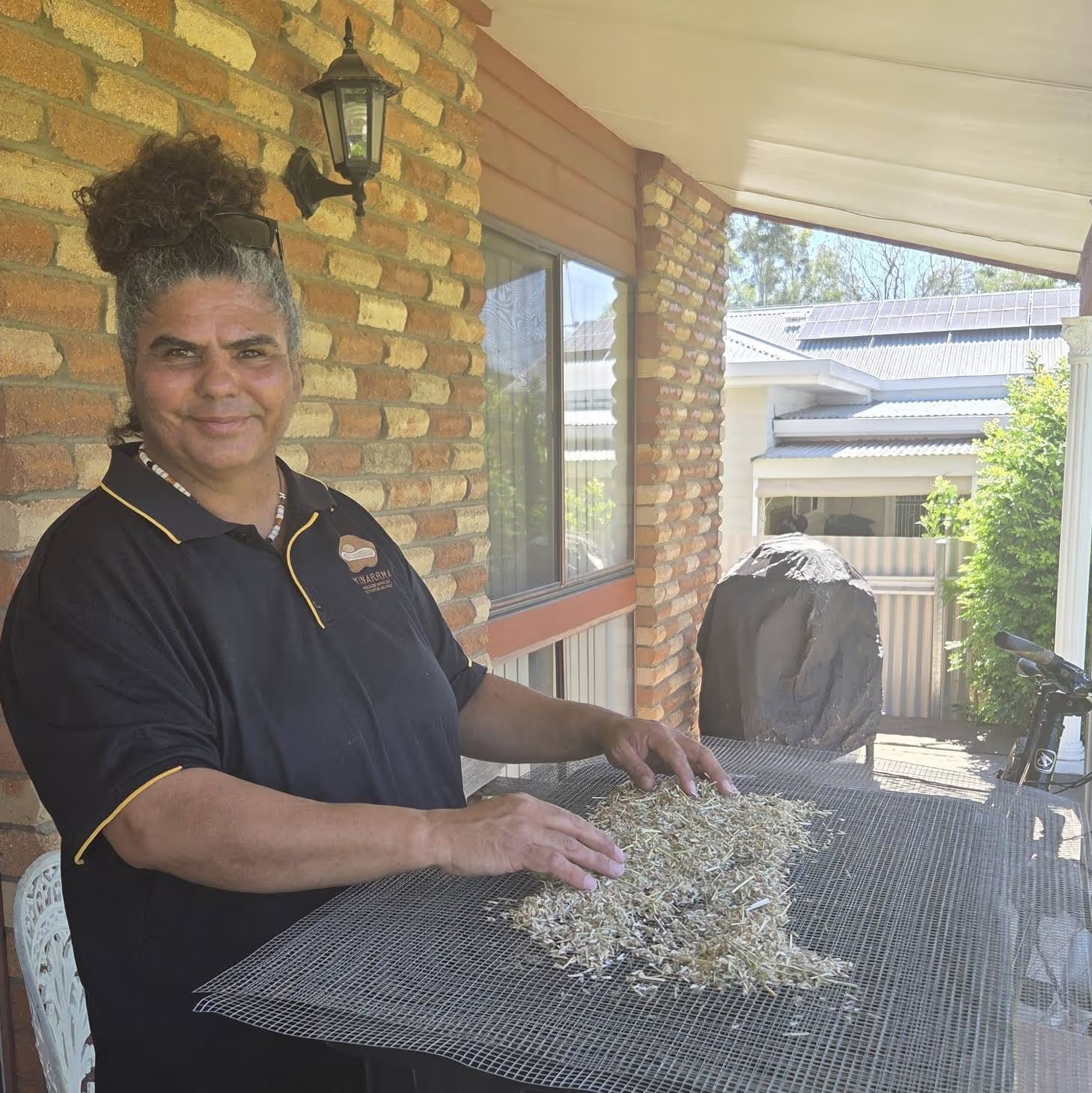
In January 2025, Kerrie and her family were invited by a landholder to join in harvesting guli in a different way on a property near Bullarah. For the first time, harvesting was undertaken using a side-by-side vehicle fitted with a harvester attachment, which was provided by a community member. Approximately 15 kilograms of grain were harvested in around 1.5 hours. By comparison, using traditional hand-harvesting methods, a group of 10 people might collect around 3 kilograms across an entire summer.
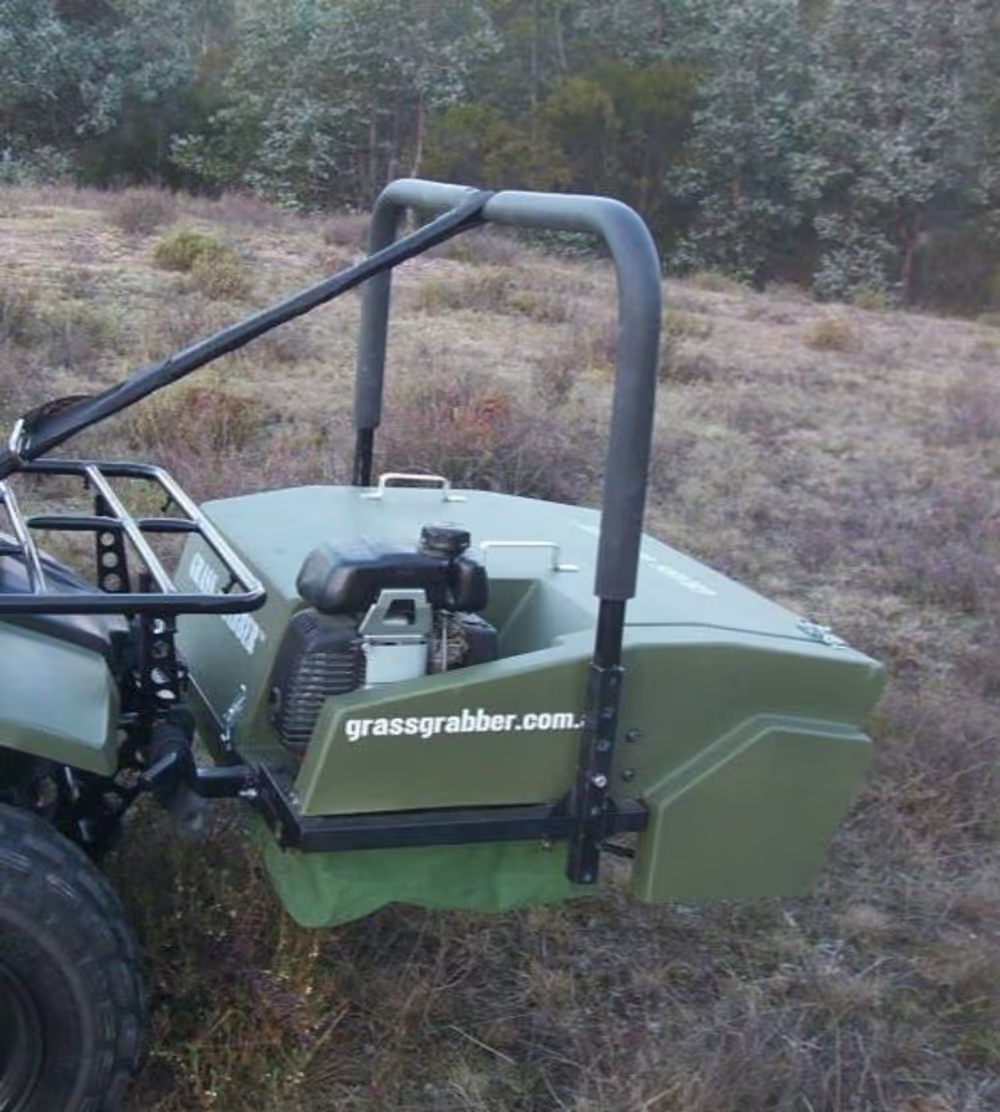
The use of machinery allowed a larger volume of grain to be harvested, which Kerrie has since shared widely with her community and visitors. While this approach increases efficiency and enables sharing at a broader scale, Kerrie emphasises that traditional hand-harvesting remains central to cultural practice. As she explains, “Culture is connected to your Country.” Both approaches, hand and machine-assisted harvesting, can play a role in sustaining culture and supporting community connection.
Ultimately, harvesting guli is about much more than food. It is a way to reconnect with the Country, to experience traditional practices, and to embrace new opportunities that allow resources to be shared more widely. For Kerrie, guli harvesting is part of rediscovering what it means to be Aboriginal, reconnecting with nature, and passing knowledge on to her family and others. It provides opportunities to learn about culture, teach people about the native grains growing on their land, and demonstrate through action that traditional practices remain relevant today.
In the Gwydir River system, some of the areas supported by environmental water create the conditions needed for native grains to grow, which in turn supports cultural practices and learning. For the Flow-MER Program, this story highlights the importance of integrating Aboriginal knowledge, food systems, and on-Country activities into monitoring, engagement, and storytelling. Healthy rivers support healthy culture, community and Country.
.avif)
%20(1).jpg)