
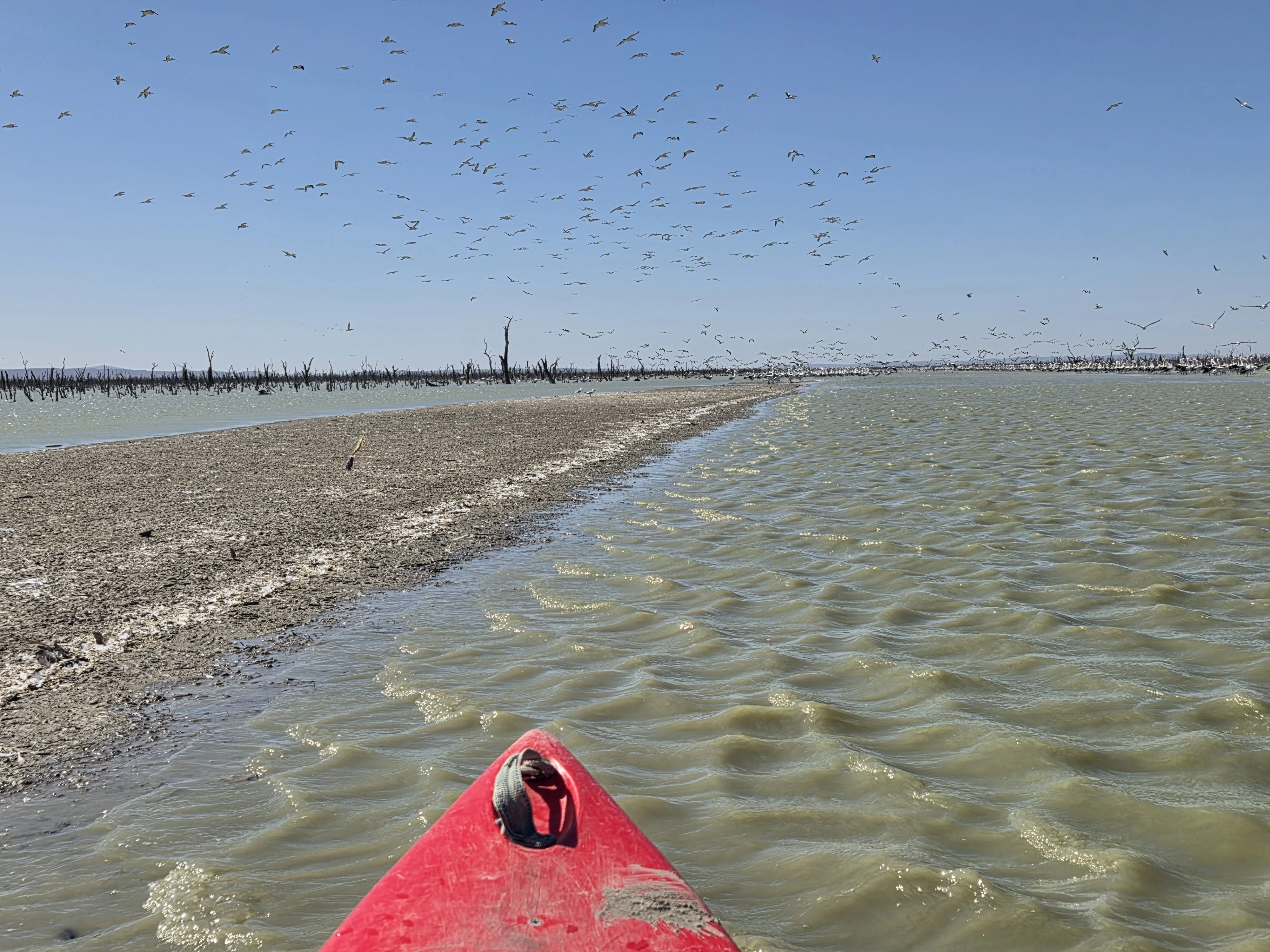
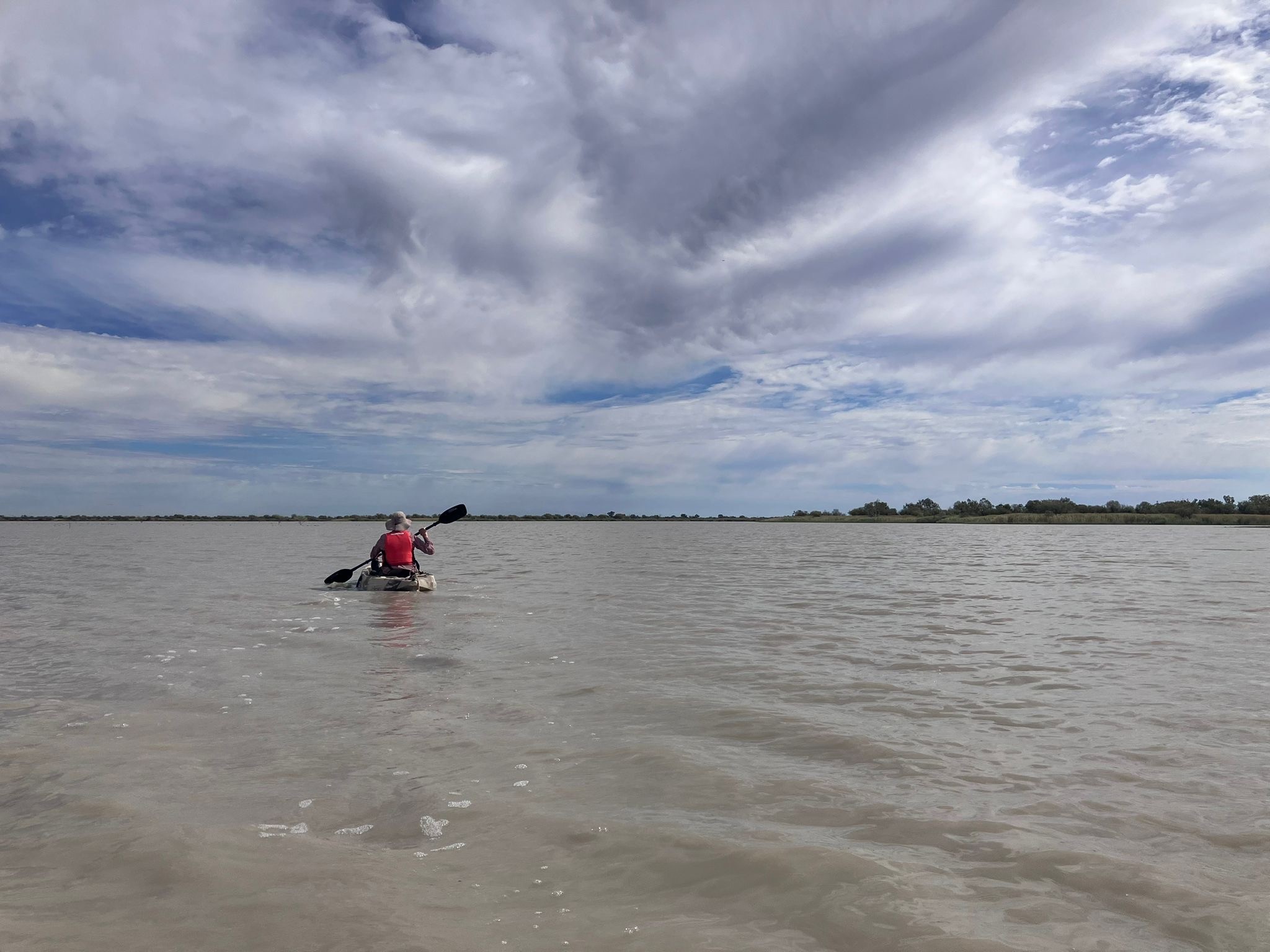
Lake Brewster is a major water storage in the Lachlan River system. It supports irrigation efficiency and environmental water management. The lake has recurring cyanobacteria (blue-green algae) blooms. These have raised concerns over the potential for poor-quality water releases downstream. So, the University of Canberra (UC) is undertaking a 2-year research project on the lake. The purpose is to determine the causes and trends of cyanobacterial blooms. The first year of the project is now complete. This article highlights the key findings of the first year of research.

When temperatures rise, standing water can form layers of cold, dense water and less dense, warmer water. This process is “thermal stratification”. It can fuel algal blooms by providing warm, oxygen-rich water for algae in the upper layers. The colder, lower layers can also cause nutrient release from lake sediment. The algae then consume these nutrients. The team from UC found that while Lake Brewster had this layering, the layers mixed often. The amount and type of nutrients released from sediment during layering don’t have a big impact on algae. Therefore, thermal stratification is not a major driver of algal blooms in the Lake. Additionally, there is limited release of nutrients from sediment.
Concentrations of the nutrients nitrogen and phosphorus were high in the lake water. Phosphorous concentrations of 0.025 mg/L are high enough to make lakes prone to cyanobacterial blooms. Over the 2024/25 summer, the concentration of phosphorous was 4-6 times higher than this. It's likely that nutrient concentrations are high due to high total suspended solids in the lake. Along with wind, these concentrations are partly responsible for the high turbidity. The lake’s large carp population also disturb sediment, increasing turbidity. The drivers of algal blooms in the lake are likely a combination of things. These include warm water temperatures and high phosphorous load. Shallow depth, limited flow, and carp-induced turbidity are also drivers.

Nutrients, stratification patterns, and turbidity in Lake Brewster make blooms unlikely to stop. The potential to manage the lake to avoid cyanobacterial blooms in the lake is limited. This is due to other management priorities and the availability of water in dry years. But the search for answers continues into the second year of the research project. The second year will focus on the causes of historic patterns of cyanobacteria in the system. This will help to predict what will occur under specific climatic and hydrological conditions. The project will also explore the link between water releases from the lake and downstream conditions. This will provide a basis for improved decision making.

%20(1).jpg)