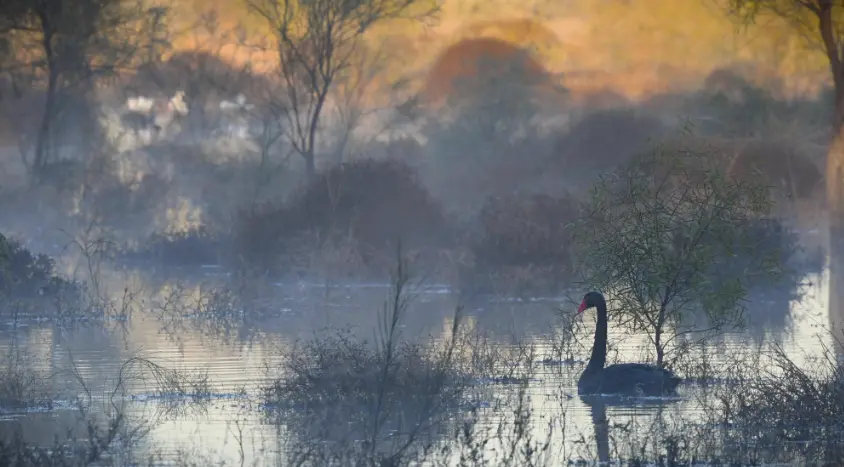
Water for the environment from the Commonwealth Environmental Water Holder (CEWH) and other agencies is helping native fish move through South Australia’s Lower Lakes and Coorong, according to recent monitoring by SARDI scientists.
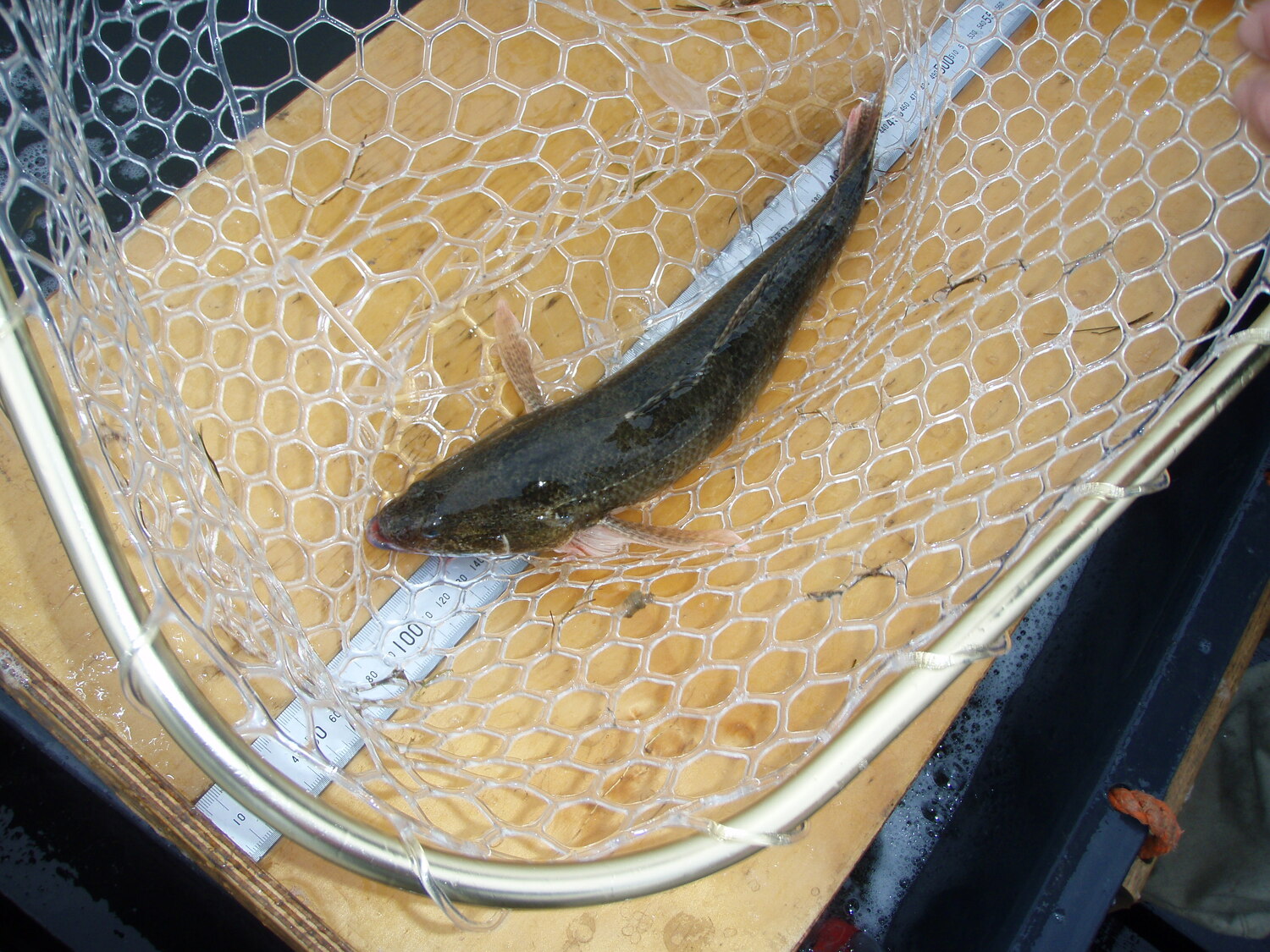
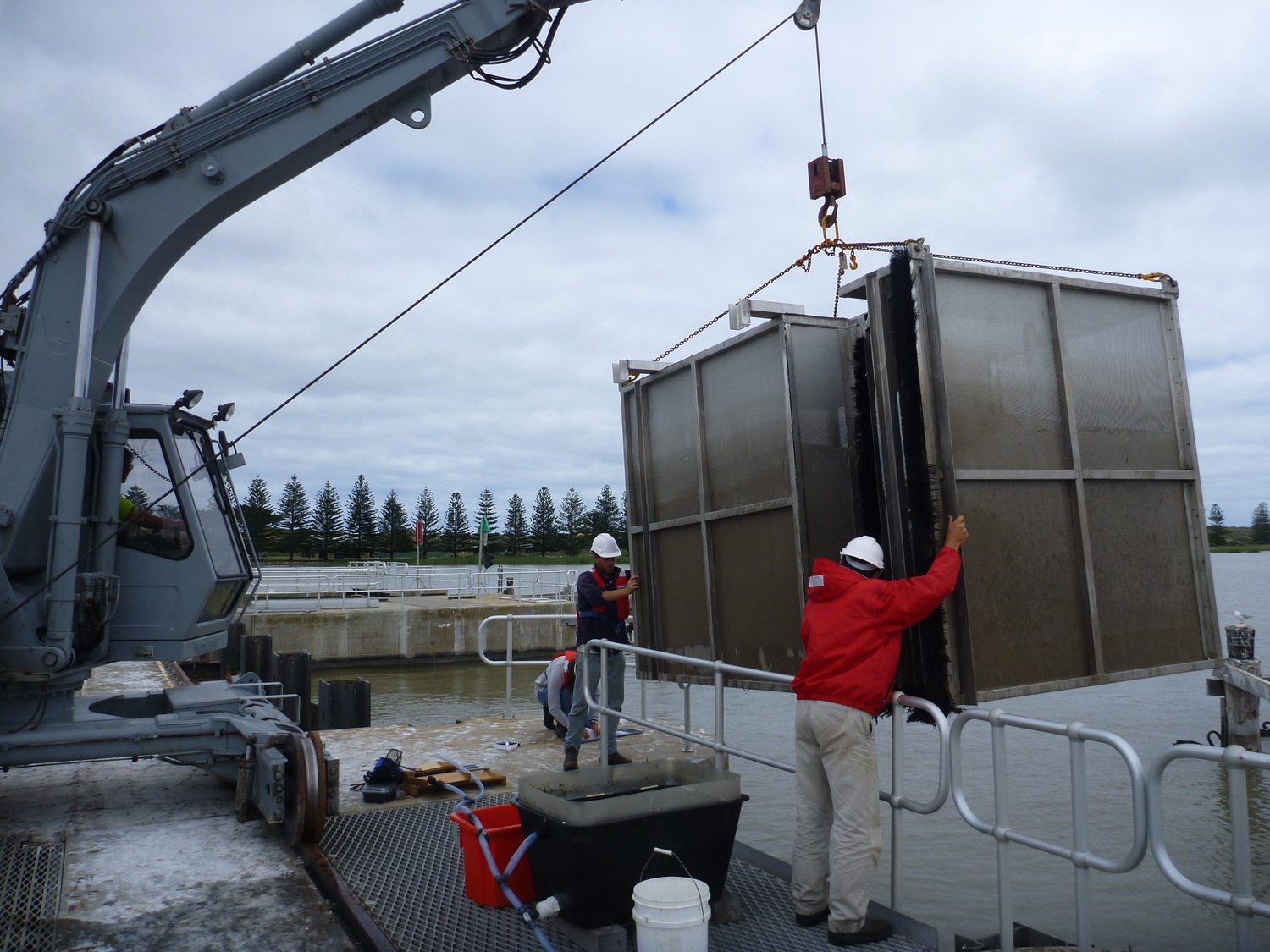
A study of fish movement through fishways on the Murray barrages during 2024–25 was managed by the South Australian Department for Environment and Water and funded through the Murray–Darling Basin Authority's The Living Murray Program. Fish are trapped from the fishways using large cage traps with the assistance of SA Water staff. Captured fish are identified, counted, measured and released, allowing scientists to monitor the species using the fishways and assess migration patterns over time. The monitoring demonstrates how important managed water flows are for keeping the Murray River system connected, especially for fish that need to move between freshwater and marine habitats at different stages of their lives.
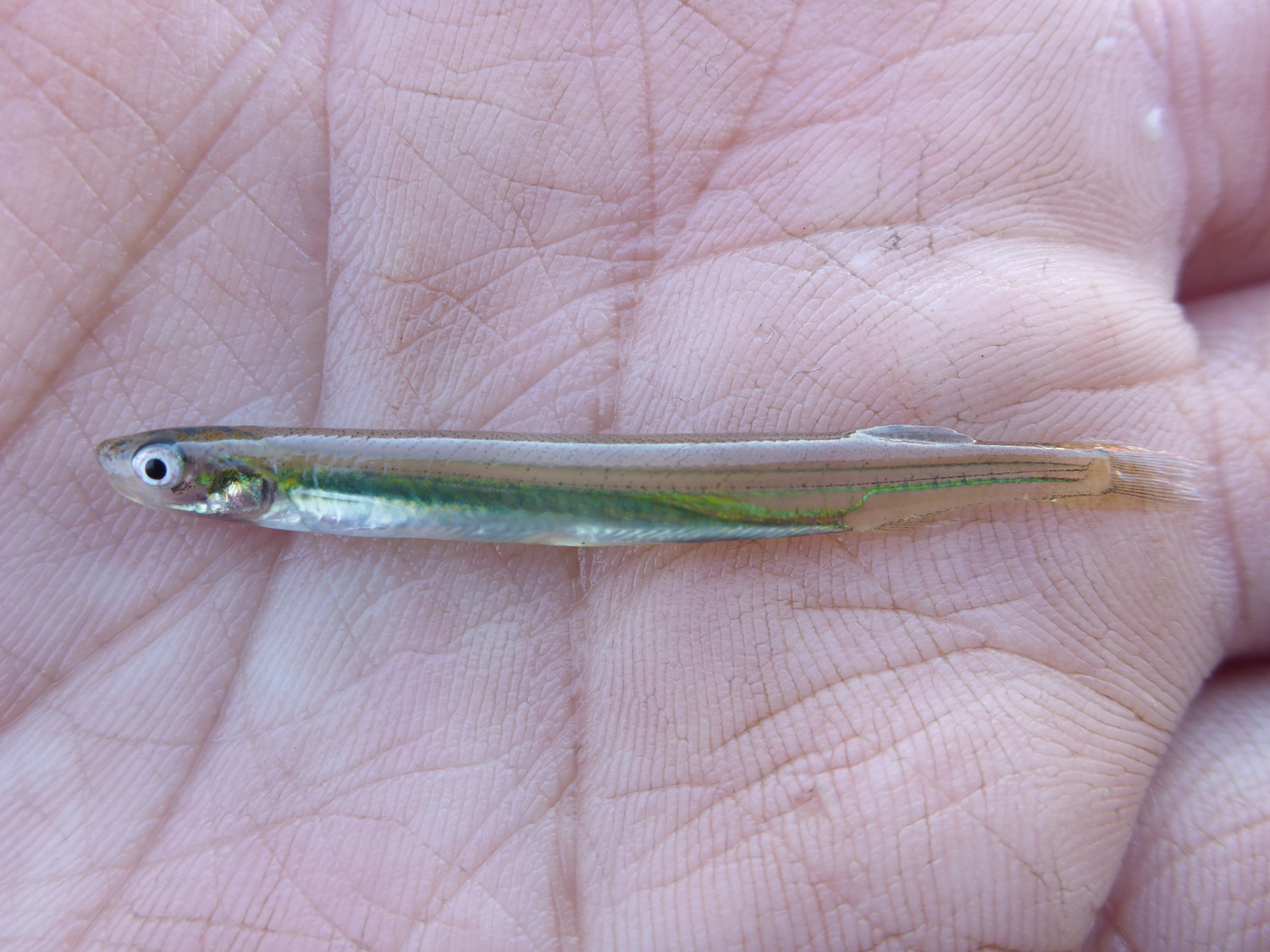
These fish are known as “diadromous” species and include pouched lamprey, short-headed lamprey, congolli, and common galaxias. Lampreys spend most of their adult lives in the ocean before swimming hundreds of kilometres upstream into rivers in winter to spawn. Other species, such as congolli and common galaxias, mostly live in freshwater but travel downstream to the ocean or estuaries to breed in winter, while juveniles migrate upstream into freshwater in spring and summer. If they cannot move freely, their life cycle is disrupted.
The Murray barrages, which separate the freshwater Lower Lakes from the Coorong and the Southern Ocean, are primary barriers to diadromous fish migration. While they are important for managing water, they can make it harder for fish to move through the system. To mitigate these impacts, a series of 11 fishways have been built on the barrages. These are specially designed channels that allow fish to swim upstream past barriers. However, fishways require water flow to function and this is where water for the environment plays a key role.
During winter 2024, water for the environment comprised all water flowing through the barrages and fishways in July and August. Scientists recorded 26 pouched lamprey moving through the system during this time. Some travelled as far as Lock 2, about 360 kilometres from the river mouth. Water for the environment was even more important in spring and summer, comprising the entirety of water discharge to the Coorong. Without it, there would have been no water flowing through the barrages. This would have disconnected the Southern Ocean and Coorong from the Lower Lakes and the River Murray and disrupted upstream migrations of diadromous fish.
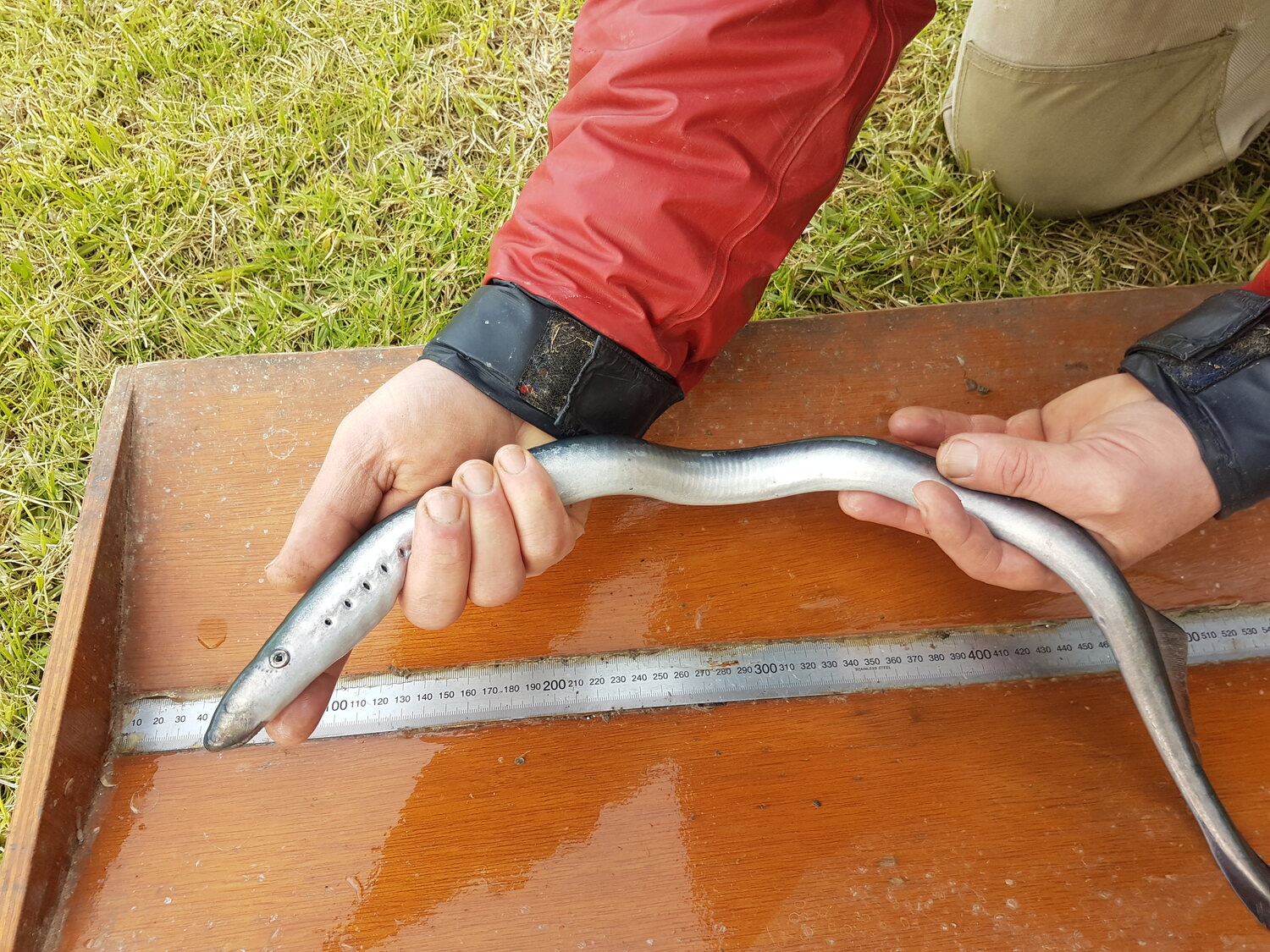
Although the number of young congolli and common galaxias was around or slightly below average, scientists say water for the environment still made a big difference. It helped keep migration pathways open and supported recruitment, which is when young fish survive and become part of the adult population.
Long-term monitoring by SARDI has improved understanding of how fish respond to changes in water flow, helping inform how water for the environment is managed to support ecological outcomes in the Lower Lakes and Coorong. The results from 2024–25 show that water for the environment made a real difference, particularly when natural river flows were low. By keeping the system connected, it allowed fish to move, breed, and survive.

.jpg)