News
To receive Flow-MER updates in your email inbox, please subscribe below.

FEATURED
December 2, 2025
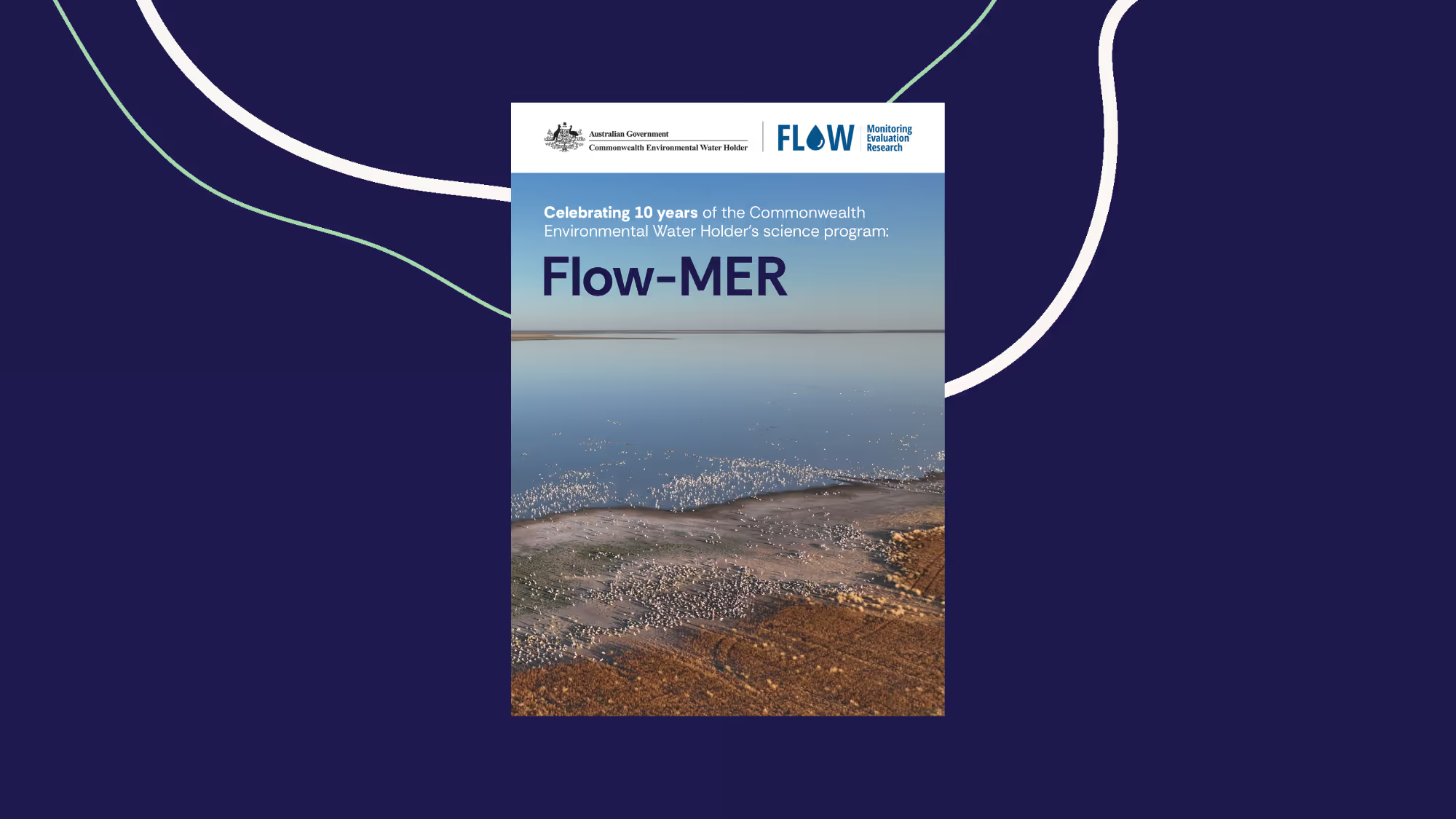
Celebrating 10 years of the Commonwealth Environmental Water Holder’s science program: Flow-MER (digital booklet)
This digital booklet captures that journey. It reflects the progress, partnerships, and knowledge built through Flow-MER – the Basin’s largest and longest-running environmental water science program.
View Story
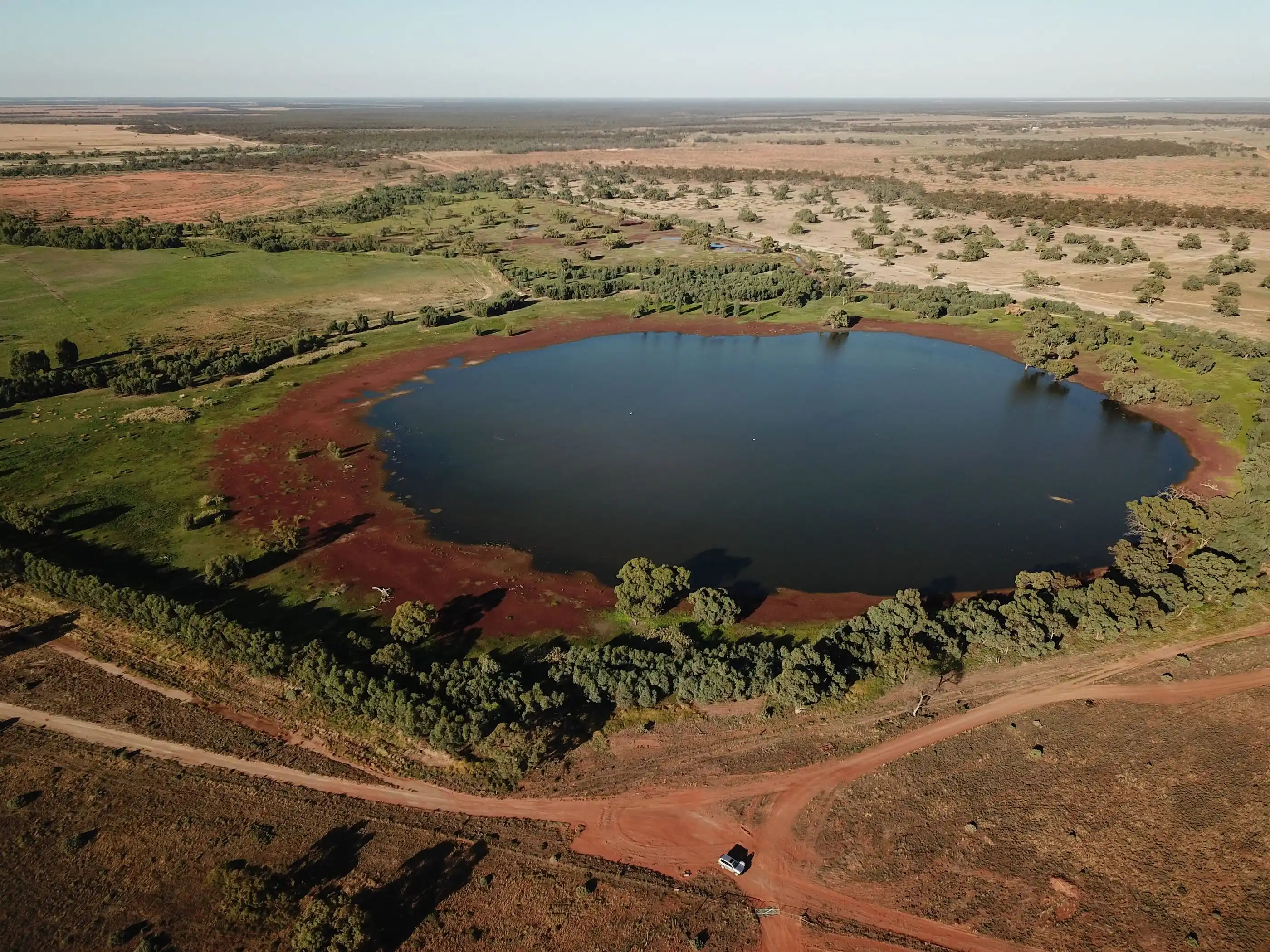
First Macquarie Marshes waterbird survey for the 2025-2026 water year
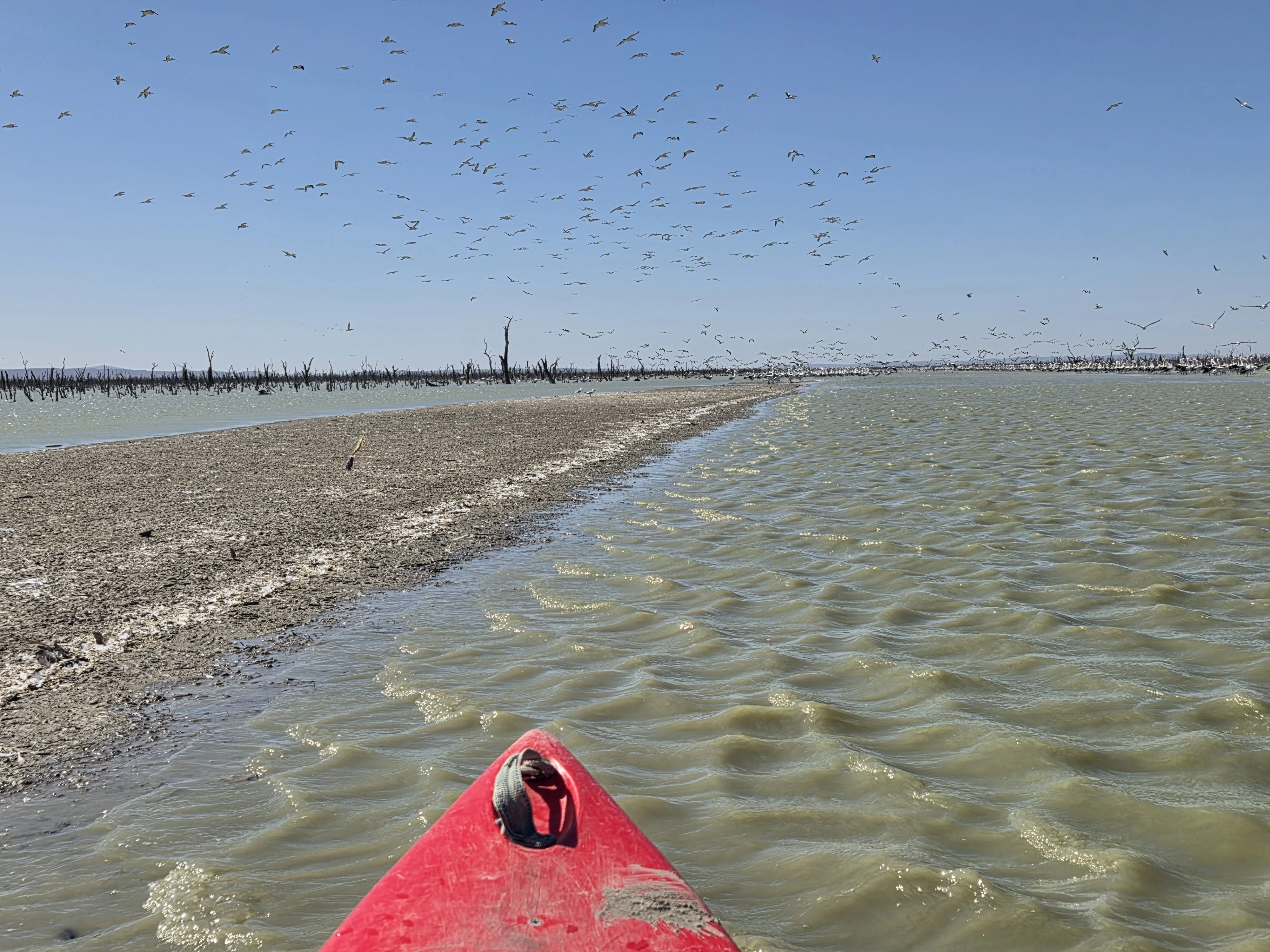
Flow-MER waterbird ground surveys were conducted at 12 Macquarie Marshes sites in August 2025, the first for the 2025-2026 water year. Many parts of the Marshes were inundated, particularly in the northern nature reserve, creating feeding habitat for waterbird species.

Is the Australasian bittern returning to the Gwydir Wetlands?
In January 2025, researchers heard an endangered Australasian bittern in the Gwydir Wetlands, where the species had virtually disappeared. With only 1,300 left in Australia, they hope environmental flows will bring a breeding comeback.

2023–24 evaluation reports highlight Flow–MER Program’s impact
The latest evaluation reports from the Flow MER Program and CEWH highlight a decade of progress in delivering water for the environment across the Murray Darling Basin. Findings show how science, adaptive management and collaboration continue to shape outcomes for fish, birds, ve

Lignum data processing: Sharing the load
Researchers and Flow MER teams are using drones and deep learning to monitor how lignum responds to water for the environment. With 91% accuracy across four river systems, this collaboration is helping build a clearer picture of how floodplain vegetation recovers and thrives.
Following the flows: Flow-MER’s satellite bird tracking research
Researchers reveal how waterbirds cope with Australia’s highly variable climate and hydrology, and how they “chase the floods” across vast distances. By attaching tiny satellite-tracking backpacks to 200+ birds, the project gathered more than 50,000 bird‑days of tracking data.

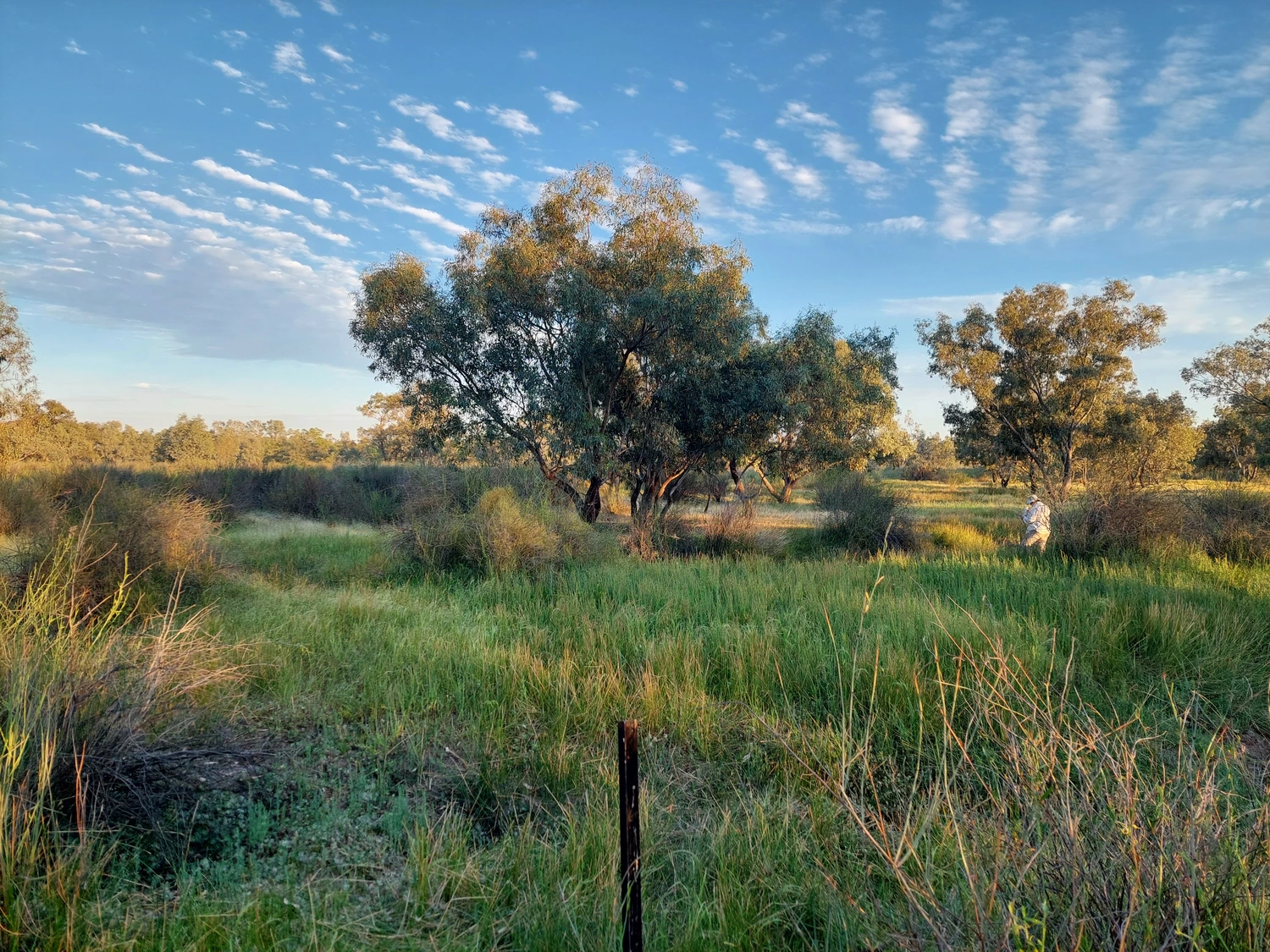
River Rangers collaborating with scientists during the Edward/Kolety River flow trial in 2024-25
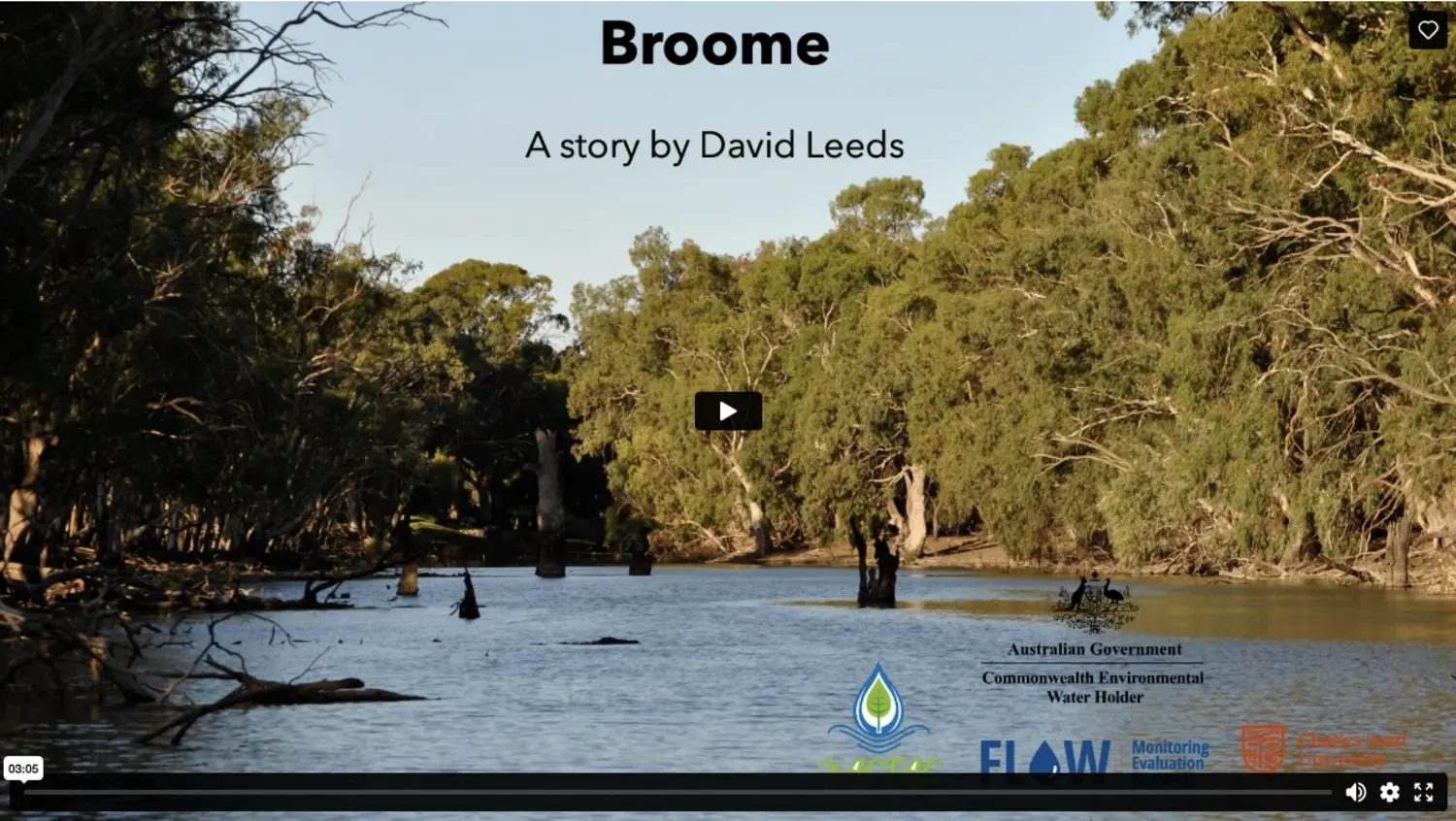
Kolety Werkul River Rangers worked with scientists to monitor the first environmental watering of Werai Forest since 2009. Blending cultural knowledge with science, they tracked how flows support the forest’s plants, animals, and cultural heritage.

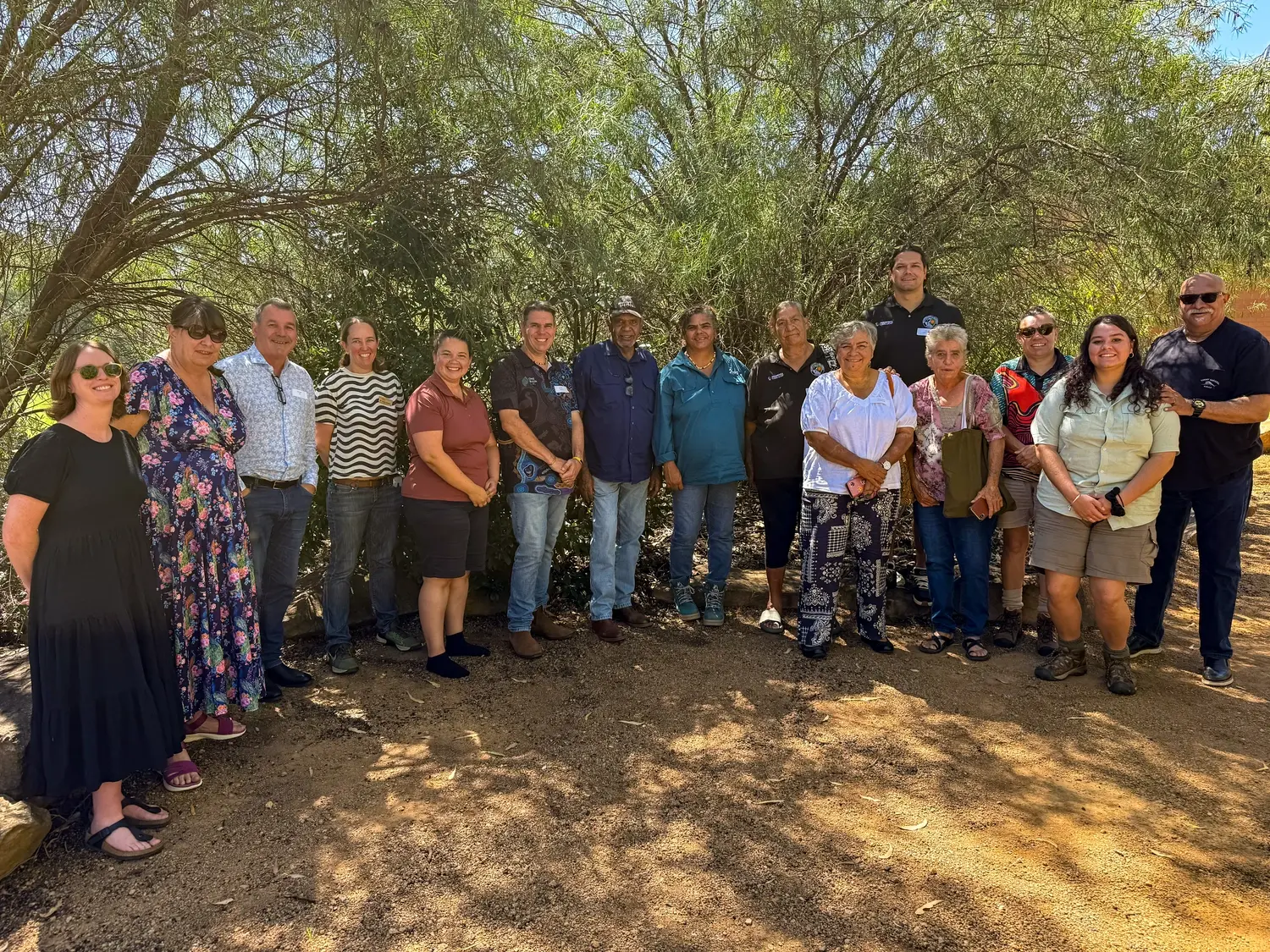
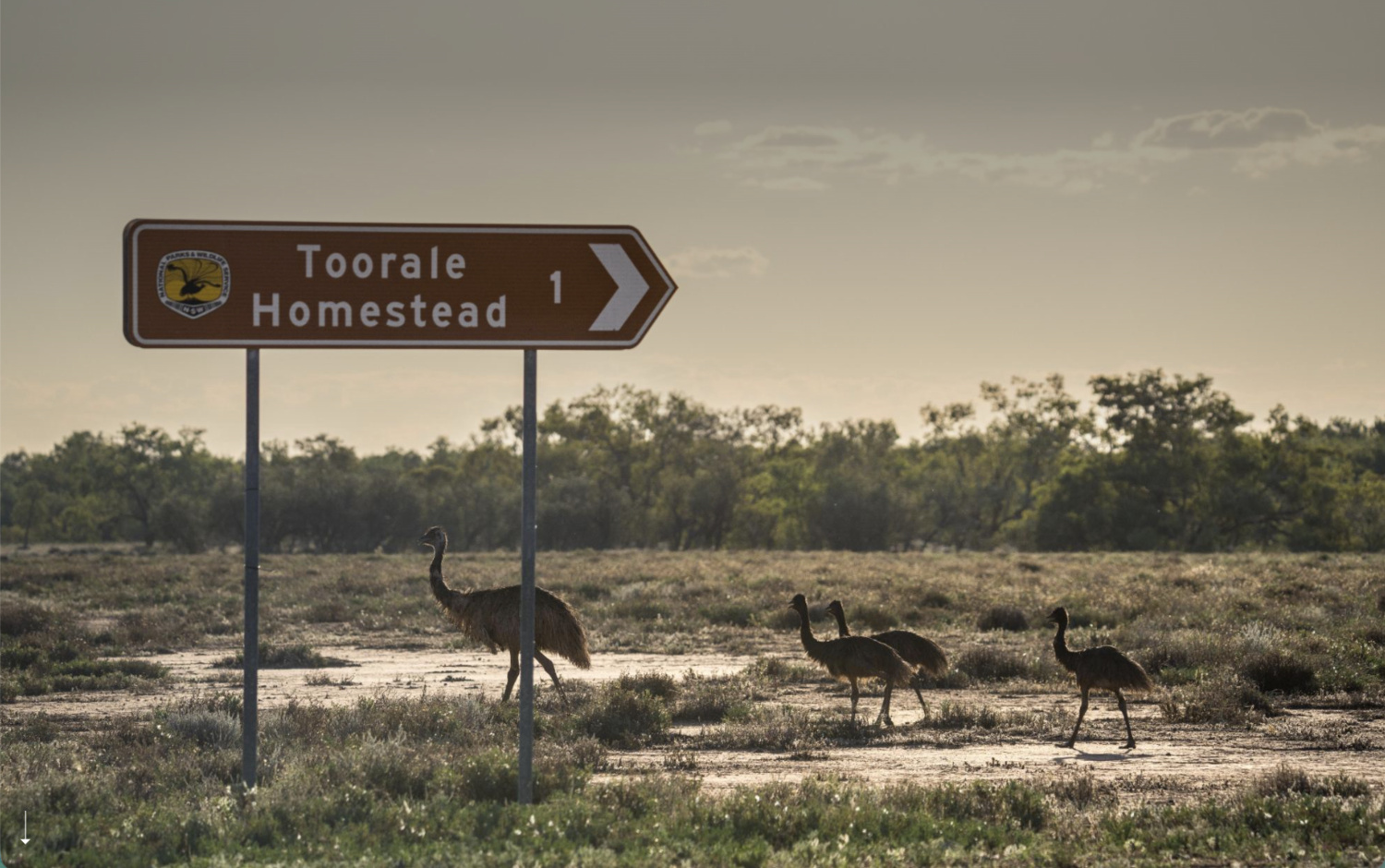
Following the flow: A knowledge sharing journey through the Lower Balonne
Researchers, Aboriginal Elders, and water managers journeyed through the Lower Balonne to share cultural knowledge and science on river flows. Their insights are guiding smarter water management for communities, wetlands, and wildlife across the river system.
-p-500.jpg)
Drone Monitoring of Lignum at Gayini: What We’re Learning
In partnership with Nari Nari rangers, scientists are using drone technology to track how flooding patterns impact lignum on the Lowbidgee floodplain. This project blends traditional knowledge and cutting-edge imagery to support smarter water and habitat management.
.webp)
A collection of threatened and migratory species of the Murrumbidgee Valley
A range of threatened species make their home in and around the Murrumbidgee. These include brolgas, Australasian bitterns, southern bell frogs, and many other species. Knowing where these animals live is important. This information guides decisions about where and when to use wa