
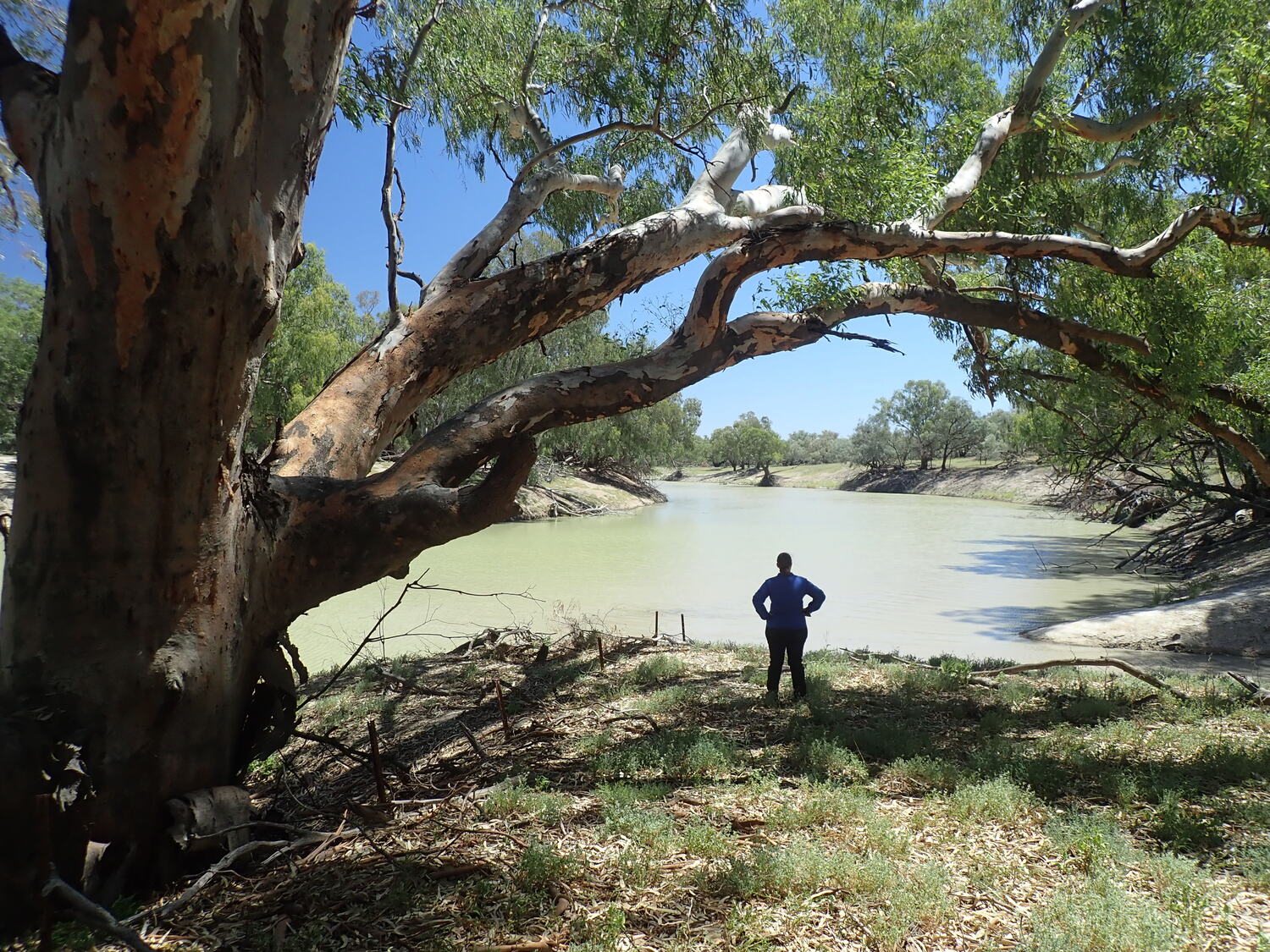
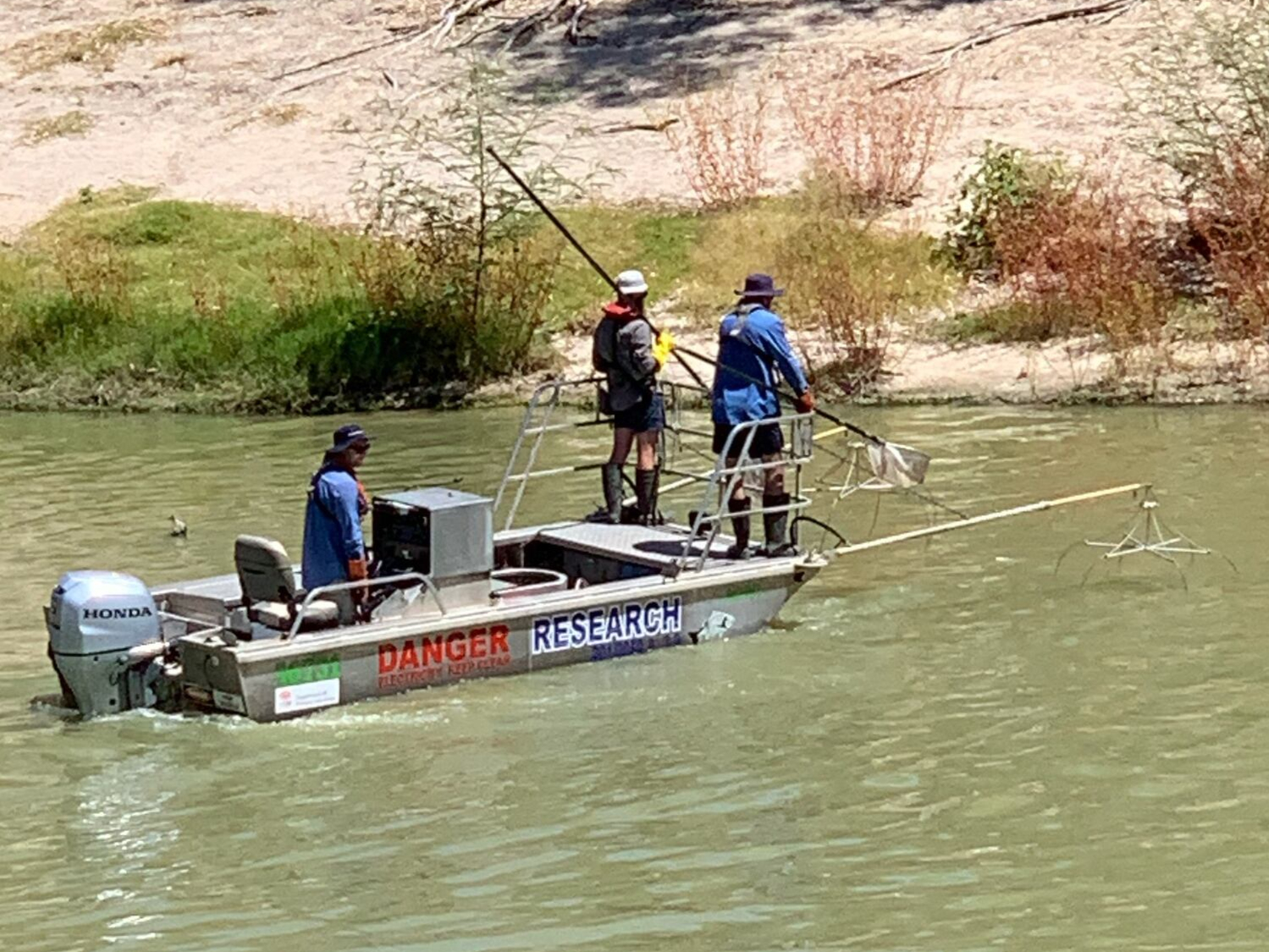
Fish sampling was undertaken in the Darling / Baaka and Warrego / Warriku rivers during May and June 2025 by NSW Department of Primary Industries and Regional Development (DPIRD) Fisheries as part of the Darling-Warrego Area Project. This was the most comprehensive fish survey ever undertaken through the Darling-Warrego / Baaka-Warriku system. The survey followed the high natural flows from heavy rainfall and flooding in the northern Basin over autumn. It monitored the state of the fish community immediately after this event.
There have been several years of good flow through the system, particularly during autumn 2025. The Warrego / Warriku had the wettest year since Flow-MER monitoring began in 2014. Despite these good flows, results indicate native fish populations are still struggling to recover from previous poor conditions, such as cease-to-flow events, poor water quality, and mass fish deaths.
40 locations sampled using a combination of electrofishing and fyke nets.
32 sites surveyed on the Darling / Baaka stretching from close to where it begins at Bourke, to near its junction with the Murray River at Wentworth.
8 sites sampled on the Warrego / Warriku starting near Cunnamulla, Queensland, to where it joins the Darling / Baaka in Toorale National Park and State Conservation Area.
For analysis, the Darling-Warrego / Baaka-Warriku was divided into zones:
- Zone 1: The Warrego / Warriku
- Zone 2: Darling / Baaka River Bourke to Wilcannia
- Zone 3: Darling / Baaka River Wilcannia to Lake Wetherell
- Zone 4: Darling / Baaka River Menindee to Wentworth
Analysis compared abundance, total mass of fish species, size structure, and condition of fish populations between zones (see map below).


Abundance
16,897 fish: caught, identified, measured, and released.
9 native and 3 non-native species recorded: bony herring, golden perch and common carp most abundant.
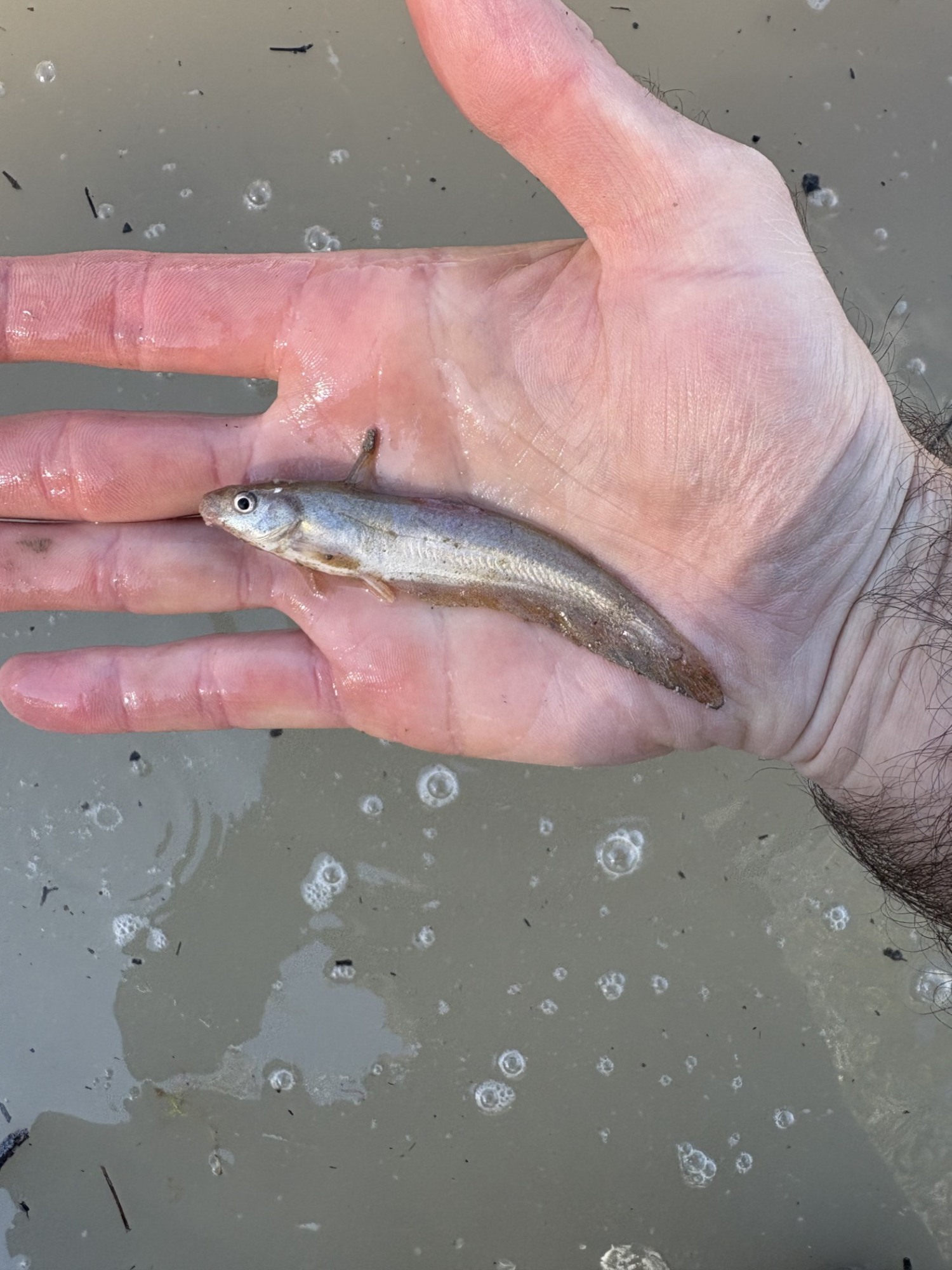
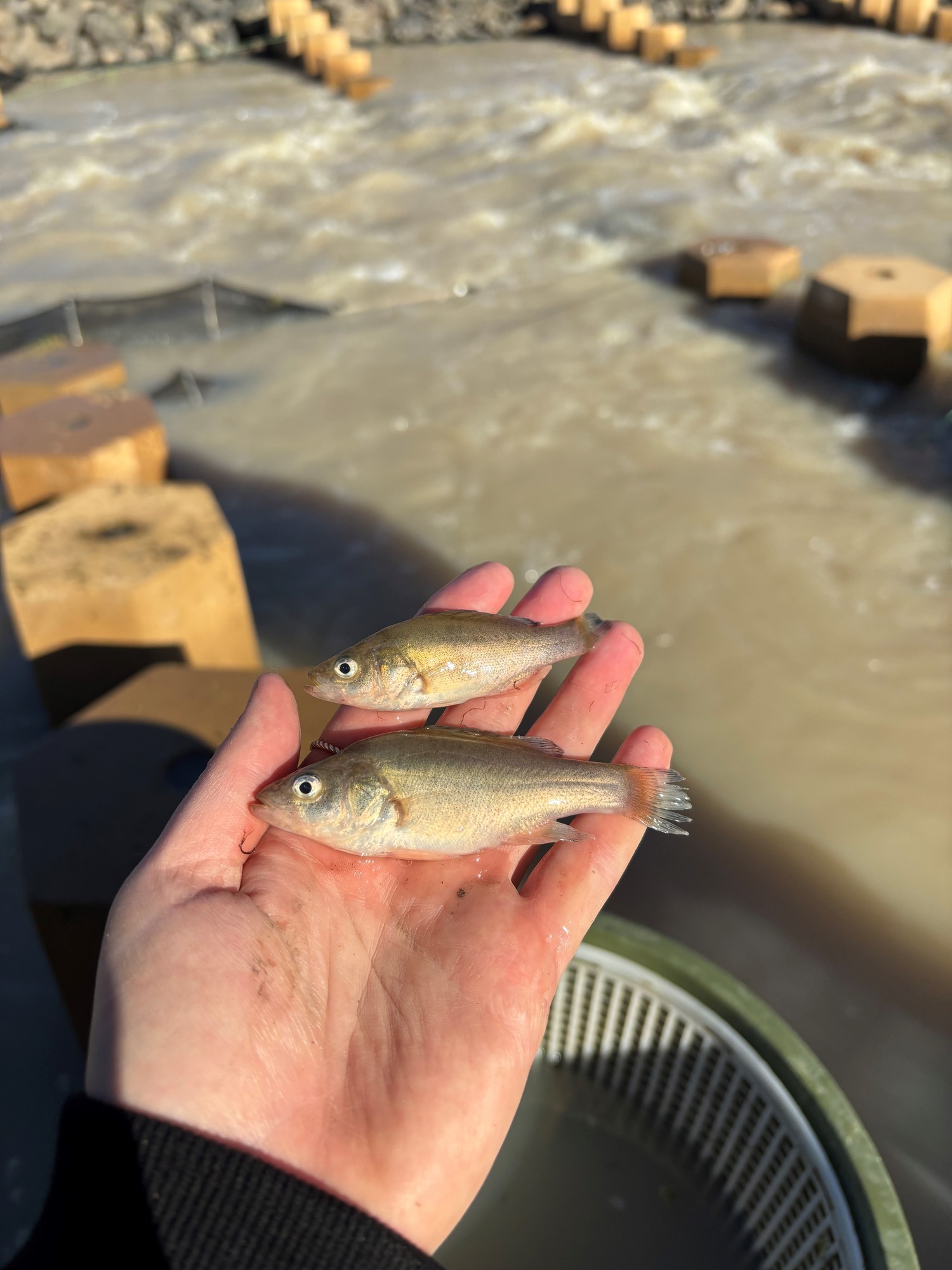
The Warrego / Warriku River (zone 1) yielded high catches of desert rainbowfish and Hyrtl’s catfish. There were high catches of native species such as spangled perch and Australian smelt in the Darling / Baaka River between Bourke and Wilcannia (zone 2), and between Wilcannia and Lake Wetherell (zone 3). Silver perch and Murray cod were mostly restricted to the reach between Menindee and Wentworth (zone 4) with only 10 Murray cod recorded.
Total mass and size structure
Analysis of the total mass of species showed dominance by common carp, golden perch, and bony herring. Murray cod contributed to overall mass in the Menindee-Wentworth (zone 4) reach. Size frequency data indicated strong recruitment of several native species. This was particularly evident for bony herring, golden perch, and spangled perch, with new recruits prevalent in most zones. Small-bodied species like carp gudgeon and desert rainbowfish also showed signs of recent recruitment. Unfortunately, there was little evidence of Murray cod recruitment in the Lower Darling / Baaka.
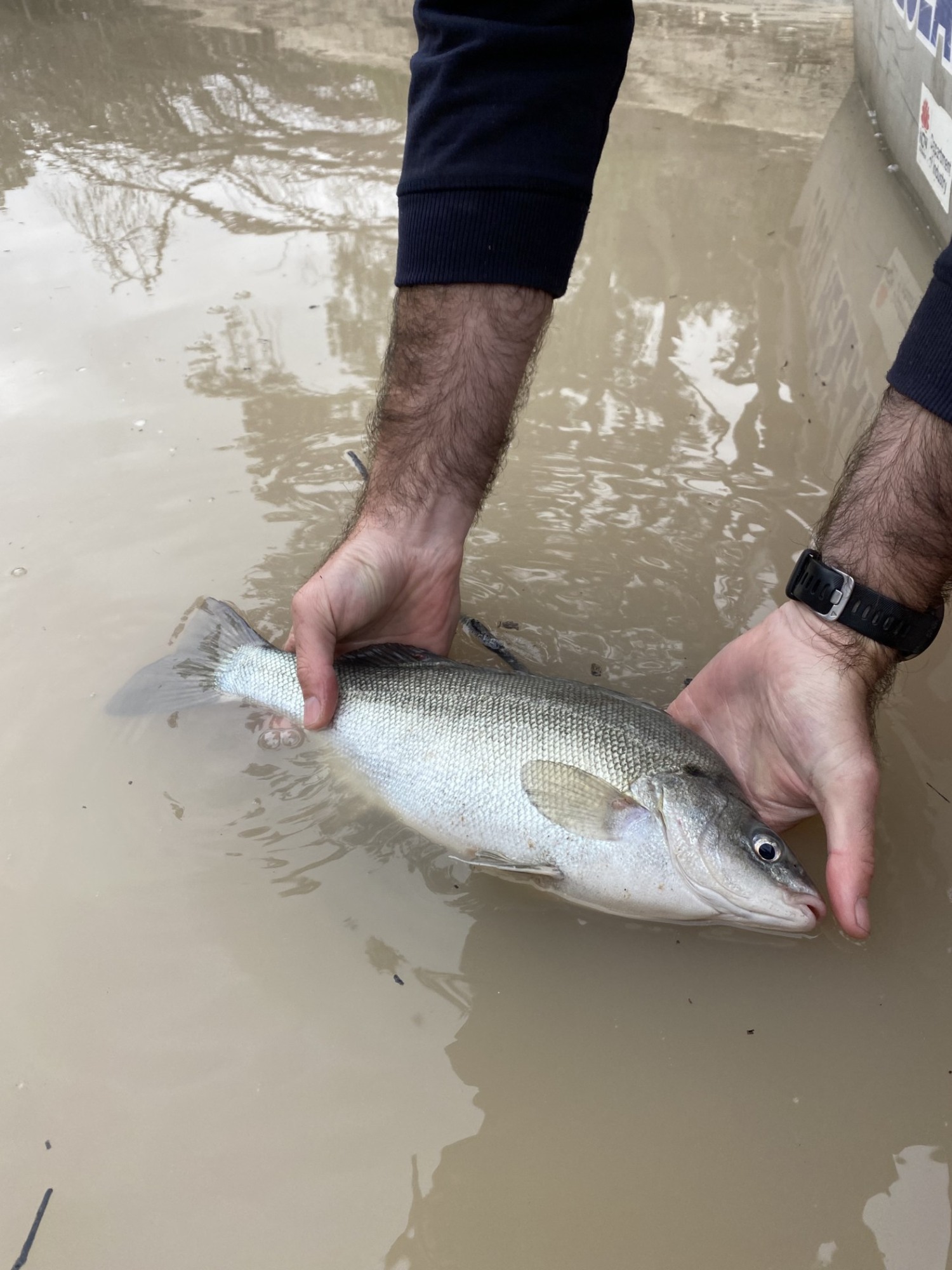
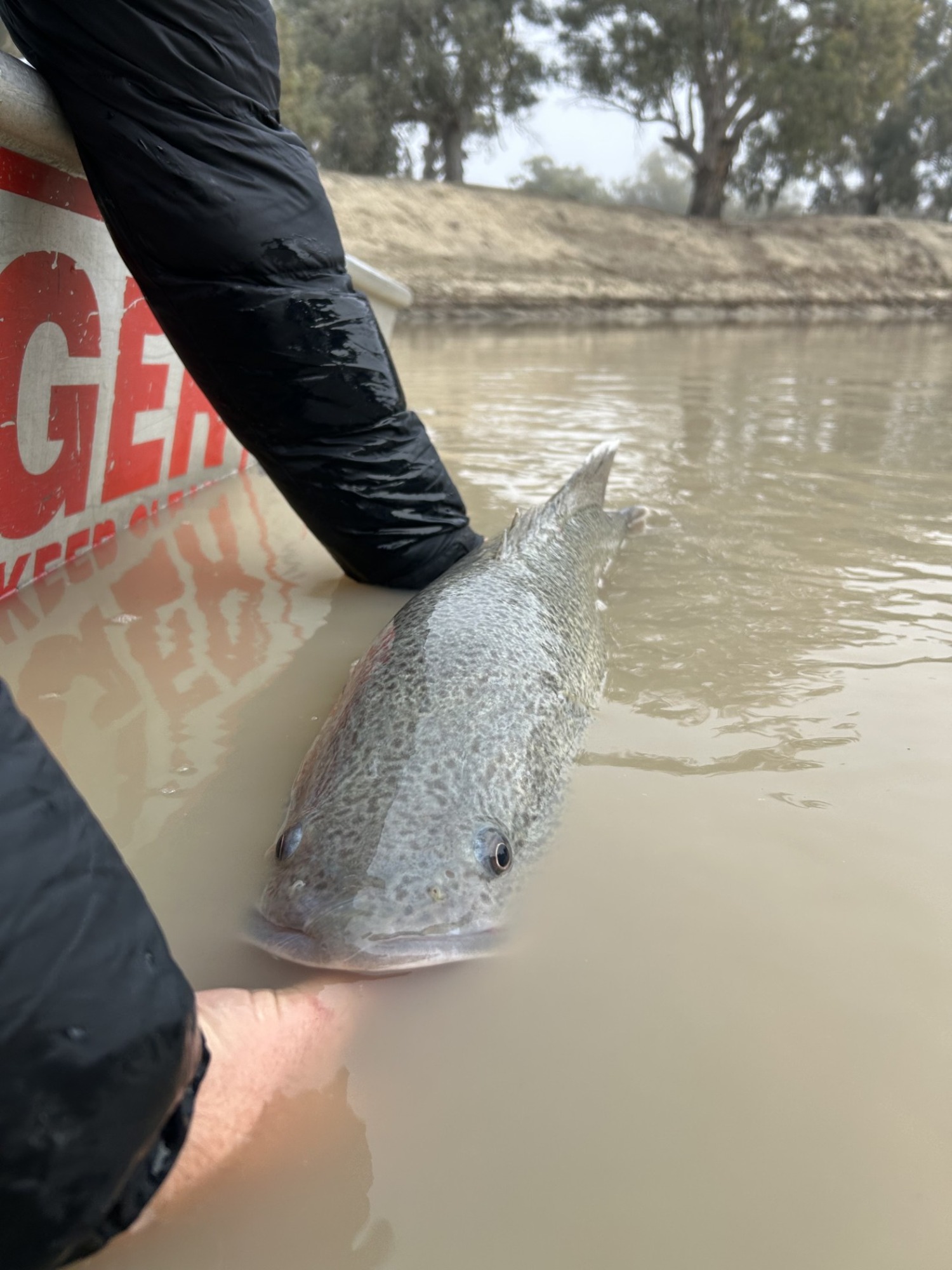
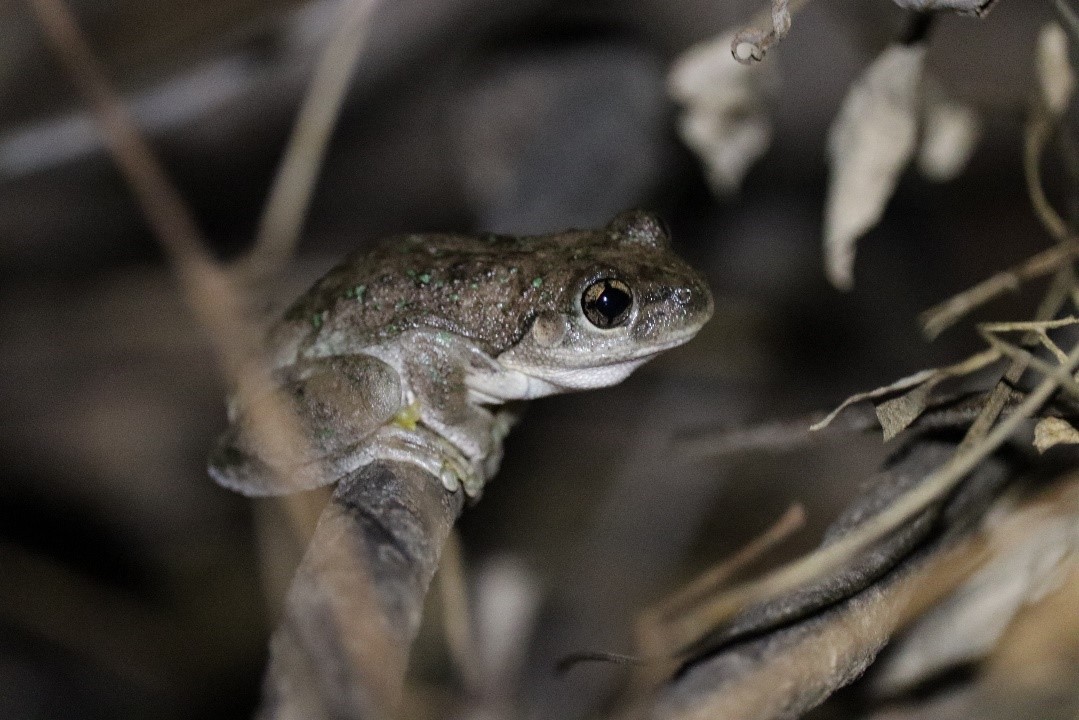
Examples of fish species captured from the Darling / Baaka and Warrego / Warriku rivers in 2025 (photos from NSW DPIRD Fisheries, June 2025):



Condition
The condition of fish communities suggested ongoing stress across the Area. The community in the upper to mid Darling / Baaka and Warrego / Warriku rivers rated “Poor” and the Darling / Baaka between Menindee and Wentworth rated “Moderate”. These scores were due to the relatively low numbers of native fish, the limited presence of juveniles of some species (suggesting limited breeding success), and the absence of some expected native species (e.g. freshwater catfish and olive perchlet in some areas).
So what now?
Despite several years with suitable flows providing the right conditions for native fish to survive, breed and move, the results of this latest survey are disappointing. Positively, native fish were present throughout the zones and there is evidence of successful breeding. However, higher numbers and stronger breeding results were expected given recent conditions in the Darling / Baaka and the Warrego / Warriku. Numerous native species predicted to have occurred historically in the area were not captured. This is likely due to local extinction, current restricted ranges or changes in suitable habitats during drought and flood cycles over time.
Providing the right flow conditions for native fish, both within the Darling-Warrego / Baaka-Warriku Area and in tributaries, will continue to be critical. Delivery of water will need to continue to add to natural and system flows to fill gaps and create the best conditions possible for native fish. Permanent baseflows to maintain critical aquatic habitats year-round are of the greatest importance.
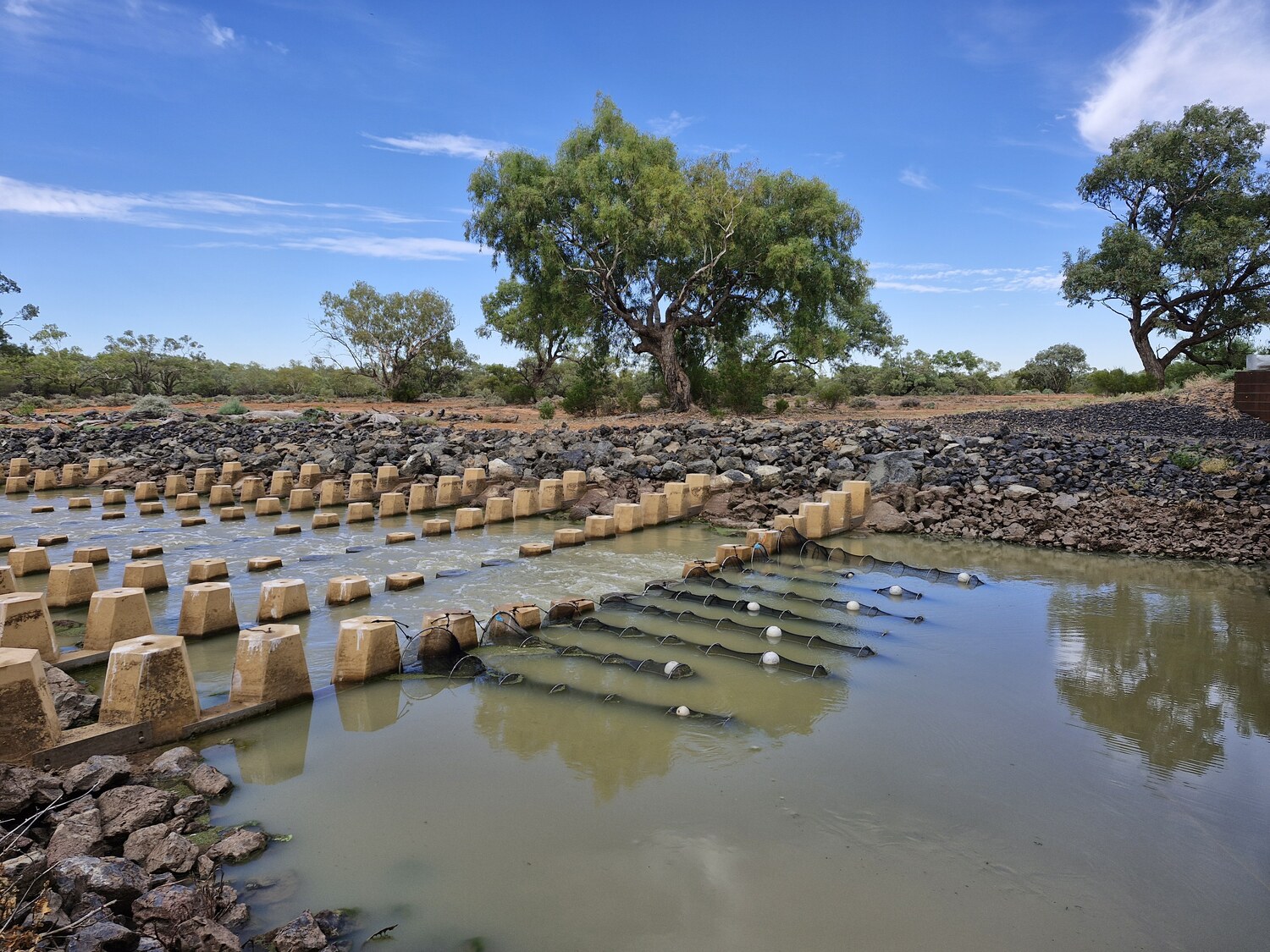
There are many other important activities that are needed to assist native fish recovery. There is always more to learn to continue to improve how flows are managed. For example, NSW DPIRD Fisheries is currently monitoring fish passage upstream and downstream at two fishways in the Warrego / Warriku River. This monitoring is in partnership with NSW DCCEEW. It is to see how effective the fishways are in allowing movement; passage that is essential to many native species. The May-June 2025 surveys identified thousands of golden perch, spangled perch, and Hyrtl’s catfish using the fishways. Multiple cohorts of new golden perch recruits have been captured this year. The newly implemented fishways have substantially increased opportunity for fish movement in the Warrego / Warriku.
Habitat restoration, like re-snagging to support Murray cod, better water quality, and greater connectivity, will help native fish populations recover. Overall, this will work toward restoring balance in the ecosystem.
Installation of more fishways is another important step to reconnect fragmented sections of the river.

%20(1).jpg)
The Darling-Warrego system is one of Australia’s most iconic river networks. It forms a vital part of the continent’s largest river basin. The system has faced ecological challenges, but there is a real opportunity to restore its health and resilience through integrated actions. These measures will help native species move freely, access breeding grounds, and thrive across the system. Flow management, water delivery and other activities such as fishways and improving habitat, aim to set the Darling-Warrego / Baaka-Warriku on a path toward long-term ecological improvement.
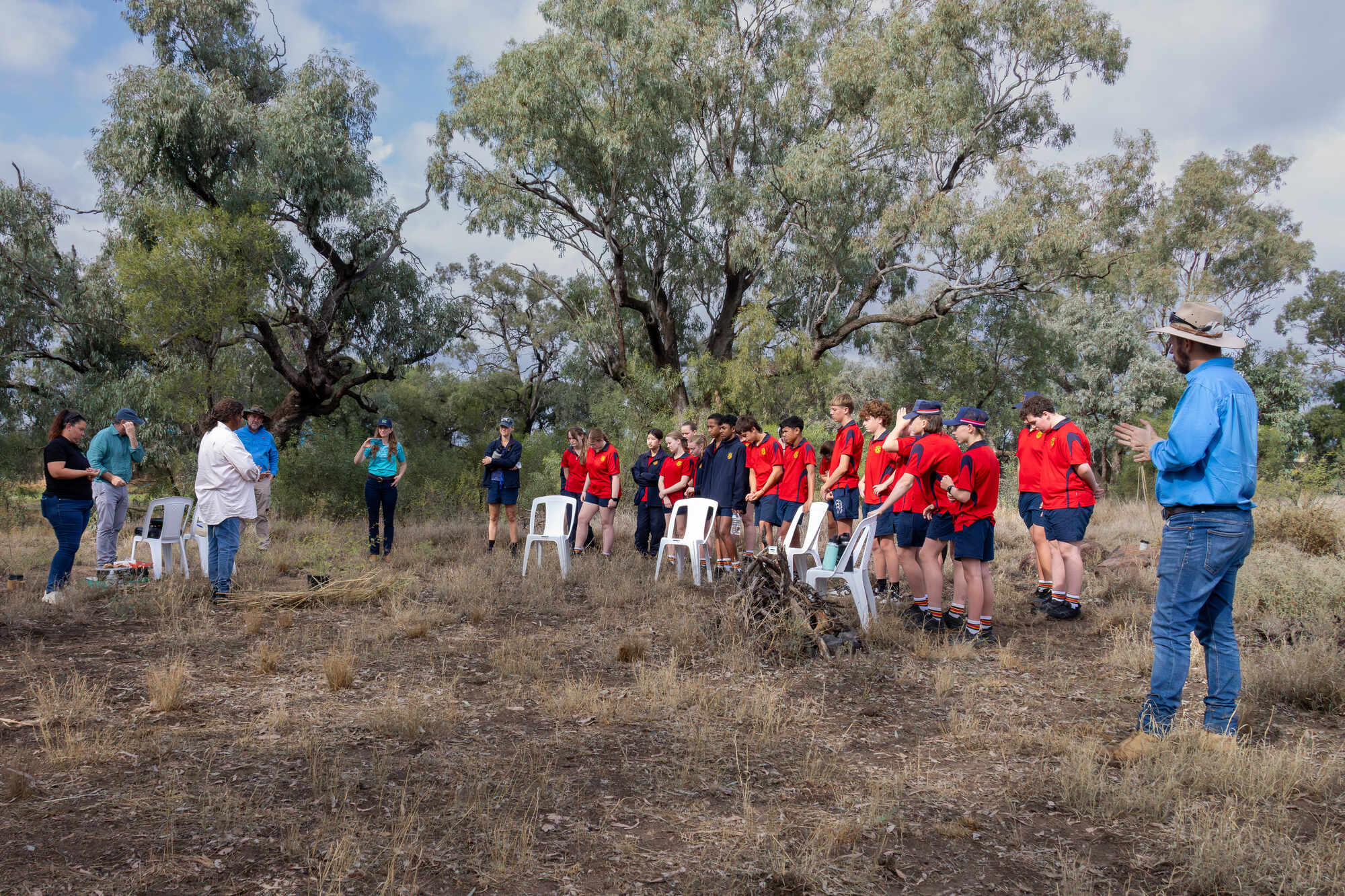
Working together across all levels of government, communities, and stakeholders is crucial. Collaboration is key to achieving these outcomes and protecting this iconic river system. It will support biodiversity, cultural values, and regional livelihoods for generations to come. The Darling-Warrego Area Project team continues to monitor ecosystem health and fish condition in response to the delivery of water for the environment in this region.

.jpg)